By: Suzanne Gould & Sarah Jones.
Did you know 7th January is ‘Hidden Pain Day’ and its amazing how this applies to our dogs who are struggling with behaviour challenges.
What if that sudden reactivity on walks, the destructive separation anxiety, or the relentless hyperactivity isn’t a naughty dog, but a dog in pain?
For years, many dog owners and canine professionals have viewed challenging dog behaviours solely through the lens of training or behaviour issues. As a behaviourist myself, in my early days, I know I did this. As my career and education have progressed, my view of each dog has become truly holistic. We can not just focus on behaviour change. Beyond behaviour, it is my role to ensure the dog’s overall well-being is optimised by reviewing sleep habits, diet, including treats, toileting habits, and perform a functional movement assessment to check how each dog uses their body during day-to-day tasks.
A growing body of evidence, supported by clinical studies, vets who specialise in pain, and experienced behaviourists, suggests we should look more deeply into behavioural challenges.
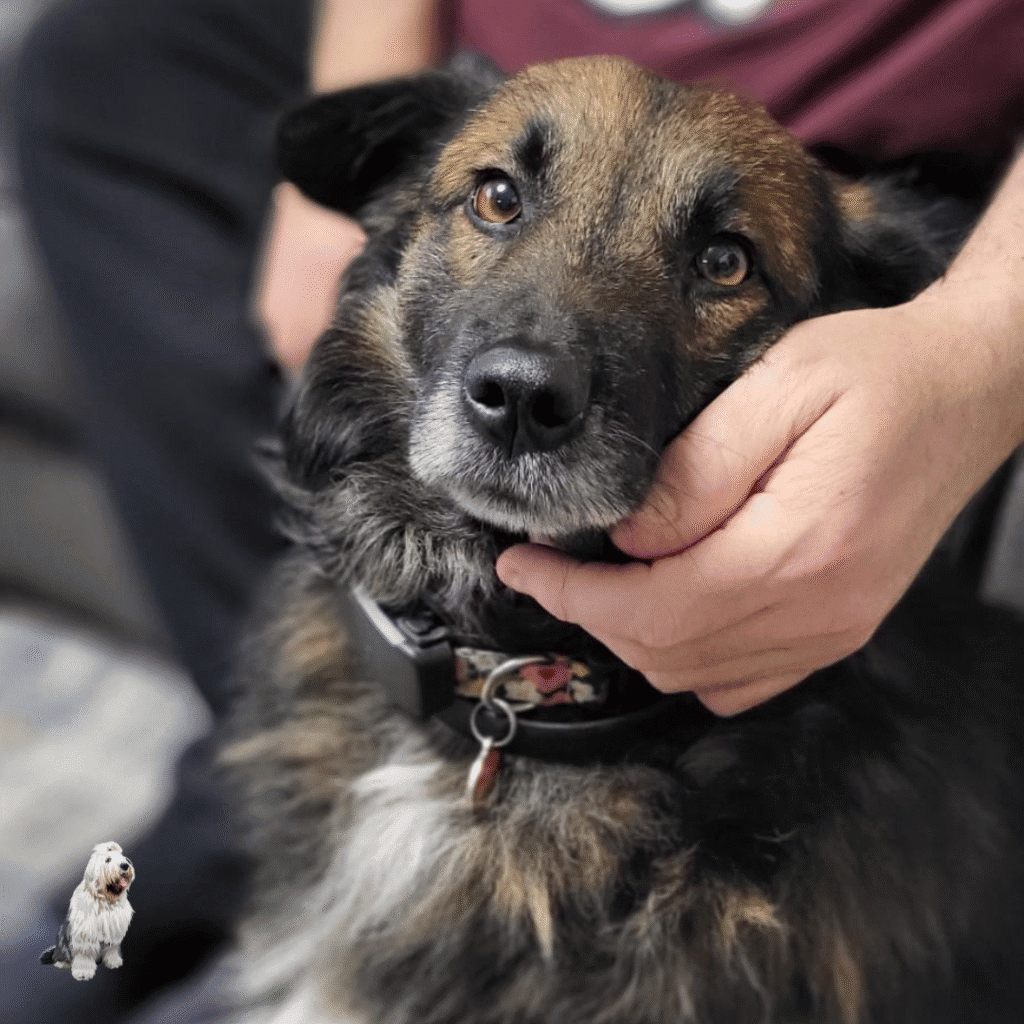
What is a Naughty Dog?
In the context of our pet dogs, a behaviour problem is any undesirable or challenging action that disrupts the human-dog bond or causes a danger or nuisance to the dog, other animals, or people. These are often categorised based on their primary presentation. Common examples include:
- Reactivity: Excessive responses such as lunging, barking, growling to ‘triggers’ like other dogs, people, or moving objects, or novel items.
- Separation Anxiety: Panic behaviours such as destruction, vocalisation, elimination, pacing when left alone.
- General Anxiety: Persistent fear, stress, or worry, often manifesting as avoidance, pacing, or hypervigilance.
- Hyperactivity/Impulsivity: An inability to settle, excessive attention-seeking, and heightened, often poorly-controlled, responses to stimuli.
It’s important to remember that behavioural challenges is not the dog choosing to be naughty or showing a dog with poor training. Behavioural problems are rooted in emotions, most often stemming from underlying feelings of fear, anxiety, frustration, or stress. It is these emotions we need to unpick to understand the feelings behind the behaviour, in order to help the dog best.
We must consider that chronic discomfort can be the catalyst or maintaining factor for emotional distress. Only treating the behaviour problem will limit you and your dog to the results you want to achieve.
Understanding Hidden Pain in Dogs
Not all pain is created equal, especially for dogs. They can experience a wide range of pain types, from the familiar ache of a pulled muscle to the more complex sensations arising from nerve damage or internal organ issues. Pain can be categorised
- Acute Pain: This is sudden, sharp, and usually short-lived. It’s the immediate sensation from a known injury, like a broken bone or a surgical incision.
- Chronic Pain: This is persistent pain lasting weeks, months, or years. It often results from ongoing conditions, such as arthritis, hip dysplasia, or chronic gastrointestinal inflammation. Crucially, chronic pain can be subtle and insidious, meaning you may not even realise there is pain, as your dog adapts to the slow, subtle changes.
- Nociceptive Pain: This is a broad, very common type of pain that occurs when there’s actual or potential damage to your dog’s tissues (such as skin, muscle, or bone). Think of it as the body’s natural ‘ouch’ signal, simply letting the brain know that a part of the body needs protection or attention.
- Neuropathic Pain: This is a distinct and complex type of pain that arises from damage or irritation within the nervous system. This can be caused by nerve injuries, pressure on the nerves (compression), or even conditions like diabetes. Because this pain involves the communication system of the body, it can be notoriously challenging to manage and often requires specific medications and specialised care.
- Nociplastic pain: Is a complex, chronic experience where the nervous system has become overly sensitive, causing a persistent feeling of discomfort. This type of pain isn’t due to an injury but rather an abnormal or heightened way the brain and spinal cord process pain signals. It’s a newer concept that is still being fully understood, so it is often misunderstood.

The Pain Connection: More Than Just Limping
Many of my clients assume that because there is no limping, whining, crying, refusal of everyday activities or signs of feeling unwell, their dog can’t be in pain. However, pain is not limited to musculoskeletal (MSK) issues; it can originate from various systems, all of which impact mood and behaviour:
- Musculoskeletal (MSK) Pain: The most recognised type, involving bones, joints, and tendons (e.g., arthritis, elbow/hip dysplasia). This type of pain can lead to your dog losing their mobility and irritability, and may cause reluctance to do some everyday tasks, e.g., getting off the sofa when asked or refusing walks.
- Soft Tissue/Ligament Pain: This pain comes from injuries to, and even chronic stress in muscles, ligaments, and fascia. This type of pain can be subtle but can cause significant discomfort for your dog during daily activities.
- Gastrointestinal (GI) Discomfort: Chronic conditions such as inflammatory bowel disease (IBD), food sensitivities, or chronic reflux can cause persistent discomfort. Think of it like a persistent low-grade ‘stomach ache’, and this becomes a source of chronic pain and anxiety.
These show it is vital that we review the dog’s overall well-being. They have all the hidden clues that, in my role as a behaviourist, I need to find, to help me manage and change their behaviour.
How Pain and Behaviour are Connected
The link between chronic pain and challenging behaviour is becoming more commonly accepted and it is well-supported by clinical research. When a dog is in pain, its stress hormones are elevated, and the dog’s threshold for coping with stress and triggers dramatically lowers. For Example
- Reactivity: When a dog is experiencing discomfort from a sore neck, back, or stiff joints, they might become reactive—such as growling or lunging—when another dog approaches too quickly. This isn’t aggression; they are simply anticipating a painful bump or are worried they won’t be able to move away safely. They are using these behaviours to increase distance, for example, and it ensures they are able to protect their sore body.
- General Anxiety & Hyperactivity: Chronic pain disrupts a dog’s ability to relax and stay calm. Because they are always anticipating discomfort or guarding a sore spot, they exist in a state of low-grade stress. This means that their ability to ‘switch off’ is compromised. The result is often the behaviours we see: a dog who is restless, frequently pacing, and struggling to find a calm spot to settle or achieve restful sleep. It is the physical and emotional burden of chronic pain that prevents them from experiencing true relaxation.
A significant paper by Mills et al. (2020) examined the caseloads of veterinary behaviourists and found that a conservative estimate of at least a third of referred cases involved some form of painful condition, with the figure potentially reaching 80%. The paper notes that musculoskeletal, gastrointestinal, and dermatological conditions are commonly recognised as significant contributors to the dog’s problem behaviour.
Furthermore, a study by Malkani et al. (2024) investigating chronic pain in dogs with musculoskeletal issues found that behavioural challenges or changes often precede physical signs such as lameness, underscoring that behavioural changes, such as increased fearfulness or reduced social interaction, can be early indicators of discomfort.
Identifying the Signs of Chronic Pain
This is where my clients and I embrace the role of detectives, carefully tracking subtle changes in their dogs’ daily life. Recording details like sleep patterns, diet intake, and toileting habits, all while uncovering the underlying emotions driving their dog’s behaviours. Additionally, I observe how the dog uses their body looking for adaptations, slight hesitation or stiffness.
Dogs are truly masters at masking discomfort; it is a survival mechanism ingrained in their evolutionary history. They simply get on with life as it is, which explains why they so often do not whine or cry when dealing with chronic pain. They are instinctively programmed to hide any hint of weakness, as showing vulnerability would have historically put them at risk. While this incredible resilience protects them in the wild, it simultaneously makes our supportive task of identifying their pain more complex and challenging.

Why Veterinary Checks Might Miss Pain
When your dog shows a new unwanted behaviour or their existing behaviour has started to get worse, you should ask the vet to check for any medical cause. It is common for the vet to find nothing, and nothing they are “fine, it’s just a behaviour problem”
This is not an accusation of bad work by your veterinarian, but a reflection of the reality of a clinical setting when you have a dog who does not like the vets
“It is almost impossible to diagnose pain by examination in the consultation room” Gwen Covey-Crump BVetMed, CertVA, DipECVAA, MRCVS, pain specialist at Langford Veterinary Hospital, Bristol.
- The Adrenaline Mask: When a dog enters a veterinary clinic, they are typically stressed and on high alert. Their sympathetic nervous system activates the “fight, flight, fidget, fawn, or freeze” response. This stress triggers a massive release of adrenaline, a natural painkiller, which temporarily suppresses chronic pain, making it less likely the dog will show any pain signals during the 15-minute examination.
- Time and Environment Restrictions: A standard consultation is often brief. The dog is out of its natural environment, and the limited time doesn’t allow for a gait analysis or observation of subtle, relaxed behaviours. Your dog is most likely to show signs of pain when relaxed at home or when performing specific movements, such as getting up from a deep sleep.
Examples of Clinical and Behavioural Signs of Pain
| Clinical/Physical Signs | Behavioural/Subclinical Signs |
| Reluctance to jump in the car or onto furniture | Irritability, snapping, or flinching when touched or startled |
| Slowing down on walks or lagging behind | Reactivity such as barking/lunging towards other dogs/triggers |
| Difficulty rising from a rest or slipping on floors. | Increased startle response, jumping/flinching at noise |
| Pacing or restlessness, cannot get comfortable. | Loss of interest in play or toys they once loved. They take themselves away to be alone. |
| Excessive licking of a joint or area without a visible wound | Separation-related behaviours, destruction, and vocalisation. |
| A change in eating or elimination posture |
You can see that uncovering chronic pain in your dog is not easy. Think about how chronic pain affects us as humans. You start with a niggle in your lower back; you may alter the way you sit or stand; you might be slower to get out of bed; you might shift your weight more to one side; and you might adapt to protect yourself.
Over time, as that pain comes and goes, it does get progressively worse. You compensate for it consciously and subconsciously, too. You also might be more irritable on the days it flares up, and you might start avoiding activities you usually enjoy. You probably reached out for some form of pain relief; dogs don’t have this luxury.
“Chronic pain can be suppressed from consciousness but processed by emotional and cognitive changes” Dr. Kathy Murphy BVetMed, DPhil, CVA, CLAS, MRCVS Chief Scientific Officer, Behaviour Vets.3
We all at some point, will deal with chronic pain. We just don’t put much thought into it. Dogs are no different, although they do not ‘speak’ directly about what is happening, such as by whining or crying. They express it through behavioural and physical changes.
Ultimately, asking “Why is my dog being difficult?” to “Is my dog uncomfortable?” helps you reframe the problem. So, the next time you’re faced with a behavioural challenge, take a breath, look closer, and remember your dog isn’t giving you a hard time; they are having a hard time.
Suzanne Gould
Canine Behaviourist and Dynamic Dog Practitioner
Sarah Jones
References
- Mills, D. S., Demontigny-Bédard, I., Gruen, M., Klinck, M. P., & McPeake, K. J. (2020). Pain and Problem Behavior in Cats and Dogs. Animals, 10(2), 318.
- Malkani, R., Paramasivam, S., & Taylor, S. (2024). How does chronic pain impact the lives of dogs: an investigation of factors that are associated with pain using the Animal Welfare Assessment Grid. Frontiers in Veterinary Science, 11, 1374858.
- It is almost impossible to diagnose pain by examination in the consultation room” Gwen Covey-Crump BVetMed, CertVA, DipECVAA, MRCVS. Speaking at APBC Veterinary Conference 26th Sept 2021
- “Chronic pain can be suppressed from consciousness but processed by emotional and cognitive changes” Dr. Kathy Murphy BVetMed, DPhil, CVA, CLAS, MRCVS. Vets, B. (n.d.). Selecting drugs for pain trials -What is a Pain Trial & Why is it Important. [online] Behavior Vets.