The New Normal
In our previous blog, we showed you the link between challenging behaviours like reactivity and anxiety, and underlying physical pain. It can feel overwhelming once you are faced with a diagnosis for your dog, and the truth that they have been struggling with hidden pain for a while. It can also trigger some guilt, ‘Why didn’t I know sooner!?’
It is a massive emotional shift to go from the idea of ‘fixing’ an unwanted behaviour problem to facing the long-term management of a chronic condition. While in some cases it isn’t possible to eliminate the condition or chronic pain, we can absolutely make day-to-day life easier for you and your dog.
The Guilt of ‘How Did I Not Notice My Dog Was In Pain?’
I remember when dog Erick was diagnosed with osteoarthritis, all I could think was, Why didn’t I see it. I wrongly assumed he was getting old and slowing down, even at 8 years old. It never occurred to me that he could be in pain, as in Erick’s case, he had no unwanted behaviour challenges, except for being an opportunistic food thief.
It was only as I began studying to become a Dynamic Dog Practitioner, with Erick as my case study dog, that I learned to recognise his adapted movements that indicated a potential problem. Using my Dynamic Dog report, which the vet used to guide their assessment, they diagnosed his osteoarthritis.
The reality is, as dog owners, no matter how much we care about our dogs and educate ourselves, we don’t know what correct and incorrect gait and movement looks like in our dog. Only when there is a pronounced limp or lameness do we go to the vets. The truth is that regular GP vets are not trained in what is correct and incorrect gait in dogs, so uncovering chronic pain is a real challenge.
The other thing to remember is that chronic pain ebbs and flows; there are good days when your dog behaves like an angel, and then there are bad days when your dog reacts to every trigger. This makes it harder to recognise that pain could be a part of their behavioural presentation, because quite rightly you are focused on the specific training or behaviour challenge.
Whenever I take a client through my findings from the dynamic dog assessment and their dog’s diet and gut health review, I always see that wave of guilt flash over them. The sadness and blame they did not know. I always say this, “you have done everything right for your dog, they’ve seen the vet every time they’ve needed to, they are happy with you, and they are loved. You’ve reached out to me for help when you were dealing with a behaviour challenge, and when we’ve seen the vet and understand what is happening with your dog, we can support them even more.”
Once we are working with the vet, providing pain management and adapting behaviour, we can focus on making your dog’s relationship with you stronger and happier.
The Owner’s Role.
It’s important to remember that a critical part of your role as your dogs favourite human is to observe and record your observations of your dog. Keeping an eye out for signs that their pain has increased, noting new developments or changes to their behaviour, and tracking their emotional health. This allows you to clearly show your vet what changes have occurred, which may lead to increased medication, additional medication, further diagnostics, and/or alternative treatments.
Reviewing your dog’s day-to-day life activities to see where you can make things easier or more comfortable for them. Looking at your home set up through your dog’s eyes, will help you make positive changes.
This is how to get long-lasting behaviour change, and a happier, easier life with your dog.
Simple Changes in the Home: The Environment
It is amazing to see that even minor changes in your home can improve your dog’s overall behaviour and level of comfort.
Avoiding micro slips and stress
Surfaces like laminate, tile, and polished wood are significant hazards that can lead to painful slips, falls, and unnecessary strain on already compromised joints, contributing to flare-ups of discomfort and increased anxiety about moving around the house. Research, such as studies on canine mobility and rehabilitation, confirms that maintaining a stable gait is paramount for pain management (Canine Rehabilitation and Physical Therapy, Millis & Levine).
Whenever I bring this up with clients, there is always some hesitation about whether it can make that much difference (and a little resistance about changing how their living room looks). I challenge them to find inexpensive rugs or carpet offcuts and create a route through the room. Then watch what your dog does, do they move around using the carpets? Settle down more easily? Lottier on the rug instead of flooring? Seem happier? The answer is always yes!
The Importance of Quality Rest and Bedding
Quality rest is essential for healing and comfort. For dogs managing chronic pain, the type of bed they use is critical. When a dog lies on a soft, unstructured bed, their spine and joints are forced into unnatural, misaligned positions, which can exacerbate inflammation and discomfort overnight.
You should look for a high-quality orthopaedic or memory foam bed. These beds conform to the dog’s body while offering firm, consistent support, helping to keep the joints aligned and reducing pressure points (Canine Rehabilitation and Physical Therapy, Millis & Levine).
I ask my clients to consider putting the bed in an easily accessible, draft-free, and quiet location. Placing their bed near the areas where you are can also support their emotional well-being by encouraging rest while still feeling connected to you.
Elevated Bowls: Easing Strain and Aiding Digestion
Another often-overlooked change that can improve your dog’s comfort is using elevated food and water bowls. Raising the bowls to a height where the dog can eat and drink while maintaining a more neutral, straight neck posture immediately reduces the strain on painful areas. The goal is to allow the dog to access their meal without having to lower their head or flex their spine forward excessively.
Elevated bowls can also benefit dogs with certain gastrointestinal (GI) conditions by supporting the natural movement of food down the oesophagus. Ensure the bowls are raised to an appropriate height to maximise comfort and digestive function.
Limiting Impact: Aids for Access and Movement
Two activities that cause unnecessary joint strain are jumping off or down, which rely on repeated spinal flexion. The force generated upon landing can be huge for example, think about your dog jumping out of your car. The action places significant stress on the joints, ligaments, and discs. You can add ramps or steps to your car, sofa, and bed. Teaching your dog to use these will help reduce discomfort and protect their joints..
The Right Temperature.
Temperature plays a significant role in chronic pain management. Cold and damp conditions can cause muscles to tense up and joints to become stiff and painful. Ensure your dog’s favourite resting places are draft-free. For colder months, using a coat or vest before and during walks can help keep your dog’s muscles supple and aid circulation.
Additionally, be mindful of heat, as it can raise body temperature and exacerbate existing joint inflammation. Maintaining a comfortable, consistent body temperature is a simple way to ensure your dog stays comfortable.
Activity changes.
You may need to adjust your dog’s regular exercise routine, such as avoiding long, strenuous walks or running with your dog. You should follow the guidance provided by your vet or canine physiotherapist.
Losing out on these activities with their dog is a huge source of disappointment of my clients, especially when they can see how much their dog enjoys the activities too.
You can still enjoy activities with your dog, just differently.
When seeking alternatives to big adventures, think about incorporating mentally stimulating, gentle activities such as ACE FREEWORK or similar scent/groundwork exercises. Hoopers is a great way to enjoy an active activity with your dog without running, climbing and jumping.
These use your dog’s mental energy, strengthen your relationship and create a tired happy dog.
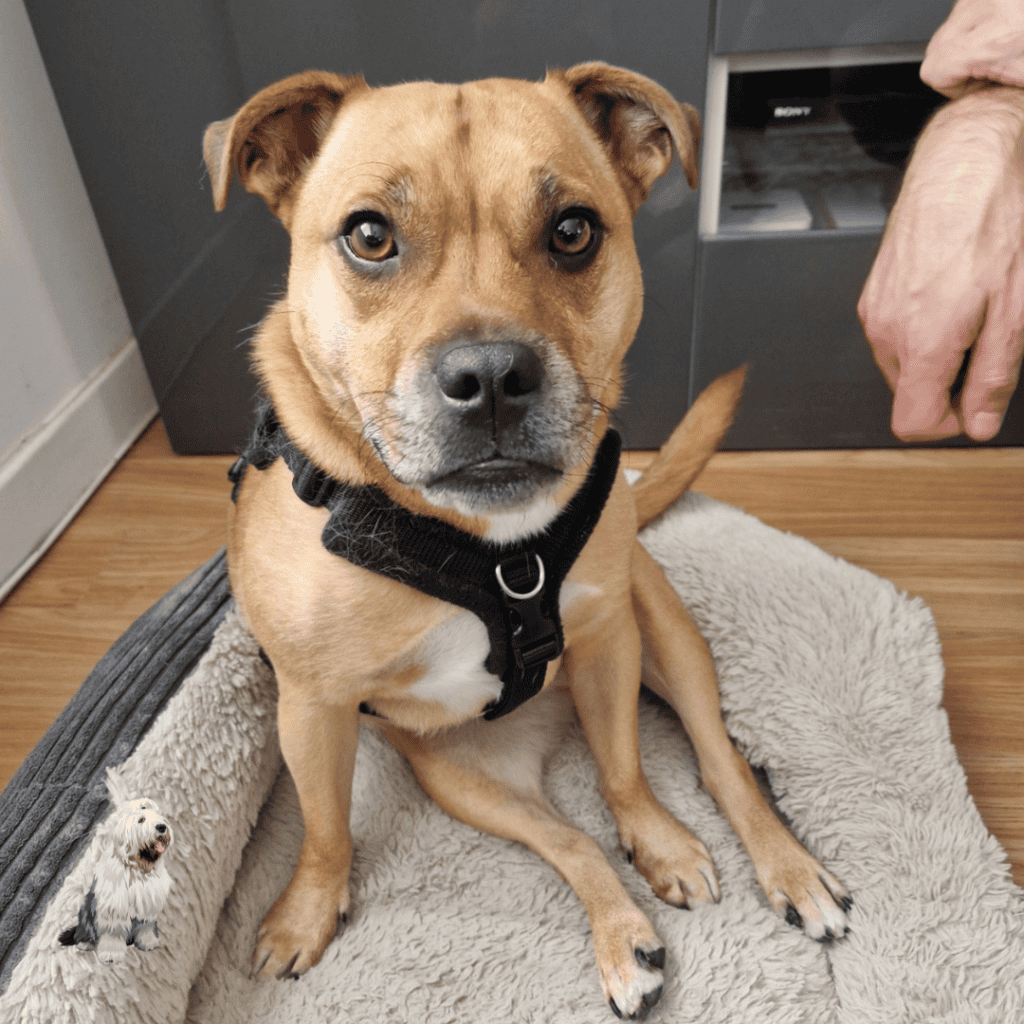
Integrating Other Modalities: The Specialist Team
It is really important that you are comfortable with your vet, that you find it easy to communicate your observations and concerns about your dog, and that they are open to listening to you. This is especially key when managing long-term conditions, as it is your observations that will help guide your dog’s treatments.
I generally recommend that my clients explore additional therapies to support their dogs. These are not always suggested by your vet so it is good to be proactive and ask about them.
Physio and Hydrotherapy: A physiotherapy assessment is a more detailed review of your dog, the comprehensive check reviews much more than your GP vet can. This assessment allows them to develop an immediate pain relief plan, a therapeutic exercise plan, and/or rehabilitation recommendations.
Options could include
- Physiotherapy: Gentle massage, stretching, and targeted exercises to maintain muscle mass and joint mobility.
- Hydrotherapy: The benefits of non-weight-bearing exercise in a heated pool or underwater treadmill (builds strength without joint impact).
- Laser Therapy (Photobiomodulation): Using light to reduce inflammation and promote healing.
- Acupuncture: Can be highly effective for chronic pain relief and muscle relaxation.
- Canine Massage: non-invasive, therapeutic manipulation of a dog’s soft tissues (muscles, tendons, fascia) to relieve pain and tension, increase mobility, and improve both physical and emotional well-being.
- Equipment and mobility support: Guiding you to the best equipment for your dog’s needs, including harnesses and boots. This could include appropriate joint supports or slings, as well as more complex mobility aids.
Holistic Vets. A holistic veterinarian is a fully qualified Doctor of Veterinary Medicine (MRCVS) who combines conventional Western medicine (like surgery, diagnostics, and pharmacology) with complementary and alternative therapies. Holistic veterinarians offer a much broader toolkit for managing complex, chronic conditions, particularly those related to pain and digestion. They should work alongside your regular GP vet. Support can include
- Chronic Pain Management: They may integrate several modalities to reduce inflammation and enhance mobility. These often include:
- Veterinary Acupuncture: Inserting fine needles to relieve pain and improve blood flow.
- Herbal and Nutraceutical Supplements: Using high-quality joint supplements and Western or Traditional Chinese Veterinary Medicine herbs to address the root cause of inflammation.
- Food Therapy: Using specific, tailored diets to reduce inflammatory load on the joints.
- Gastrointestinal (GI) Conditions: For chronic issues such as Inflammatory Bowel Disease (IBD) or persistent food sensitivities, a holistic approach aims to rebalance the gut.
- Functional Nutrition: Addressing diet quality, food sensitivities, and using therapeutic diets, which may include raw or home-cooked food plans.
- Gut Health Support: Using prebiotics and probiotics to restore the gut microbiome, which is strongly linked to overall health and immune function.
- Stress Management: Recognising that stress severely impacts the gut (the gut-brain axis), they may also incorporate therapies to help manage anxiety and stress alongside medical treatment.
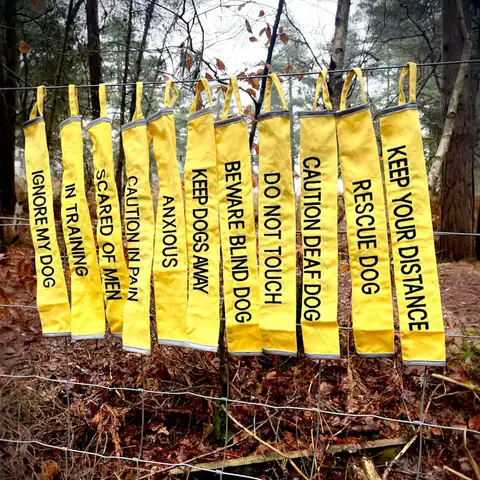
Signalling Equipment :
- My Anxious Dog: This is where Sarah shines, she had developed a range of bright yellow products which inform the public that your dog needs space, reducing the stress of unexpected interactions.
- Lead Covers: These are a great visual aid. These slips carry your dog’s voice, helping others understand their needs and ensuring everyone gets the space they deserve. It’s like dipping your toe into the water before fully embracing yellow as a symbol of space awareness.
Reframing Joy: Redefining the “Good Life”
It is easy to look back and feel a pang of guilt for the “hidden” pain your dog may have carried, but being proactive and starting to look forward is the best thing you can do with your dog. Changing your mindset of what you ‘should’ and ‘shouldn’t do’ is challenging, but once you get past it, you can start to enjoy your new normal with your dog.
Remember, as the physical burden of pain is lifted through medication, environmental changes, and supportive therapies, you will likely see a “new” dog emerge.
Managing chronic pain is the key that unlocks improved behaviour. When a dog feels better physically, they have the emotional bandwidth to learn, to engage, and to trust again. This journey often leads to a much deeper, more intuitive bond between dog and owner. You can still live an incredibly full and happy life together, it just might happen at a slightly slower, more mindful pace.
Suzanne Gould – Edinburgh Holistic Dogs. Canine Behaviourist and Dynamic Dog Practitioner.
Sarah Jones – My Anxious Dog
So You Think Your Dog Isn’t In Pain? FREE COURSE
Have you ever wondered if your dog is in pain?
Or feel there is something not quite right with your dog, to be told there is nothing wrong by the Vet?
Or your dog is showing sudden changes in behaviour that have you questioning whether something else is happening.
Or you’ve been working with a trainer or behaviourist but have seen little or no improvement.
Maybe your dog doesn’t cope well with the vet, making it difficult for the vet to assess them.
I have created a FREE Course just for you. This course will help you understand pain and behaviour. It will also explain why your dog (and your Vet) needs it. Most importantly, it will debunk the idea that dogs always whine and cry when in pain.
Referances:
Millis, D. L., & Levine, D. (Eds.). (2020). Canine Rehabilitation and Physical Therapy (3rd ed.). Elsevier. (This foundational text in canine rehab strongly advocates for environmental modifications like flooring adjustments to support gait and pain management in dogs with MSK issues).
Hielm-Björkman, A. K. L. M., Kapatkin, A. S., & Rita, H. G. (2012). Reliability and validity of a scale to assess chronic pain in dogs with orthopaedic diseases. Acta Veterinaria Scandinavica, 54(1). (This research focuses on validating tools to measure chronic pain, underscoring that changes in daily movement and posture are key indicators that owners must monitor.)